
Quick Facts
- Roof restoration is best for manageable damage on a structurally sound roof.
- Roof replacement is better for aging roofs with serious or recurring problems.
- The right choice depends on roof age, damage severity, cost, and long-term value.
- Small leaks should be inspected early before they lead to larger repairs.
- A professional roof inspection helps property owners make a more confident decision.
What’s In This Guide
Roof problems can develop slowly or appear without warning after years of wear, storms, and seasonal changes. In some cases, the damage can be repaired, and the roof can continue performing well for years. In others, deeper issues may make a full roof replacement the smarter long-term investment.
The challenge for many property owners is knowing which option makes the most sense before costs continue to rise.
Here are the key differences between roof restoration and roof replacement, along with the signs that help determine the right solution for your property.
What Is Roof Restoration?
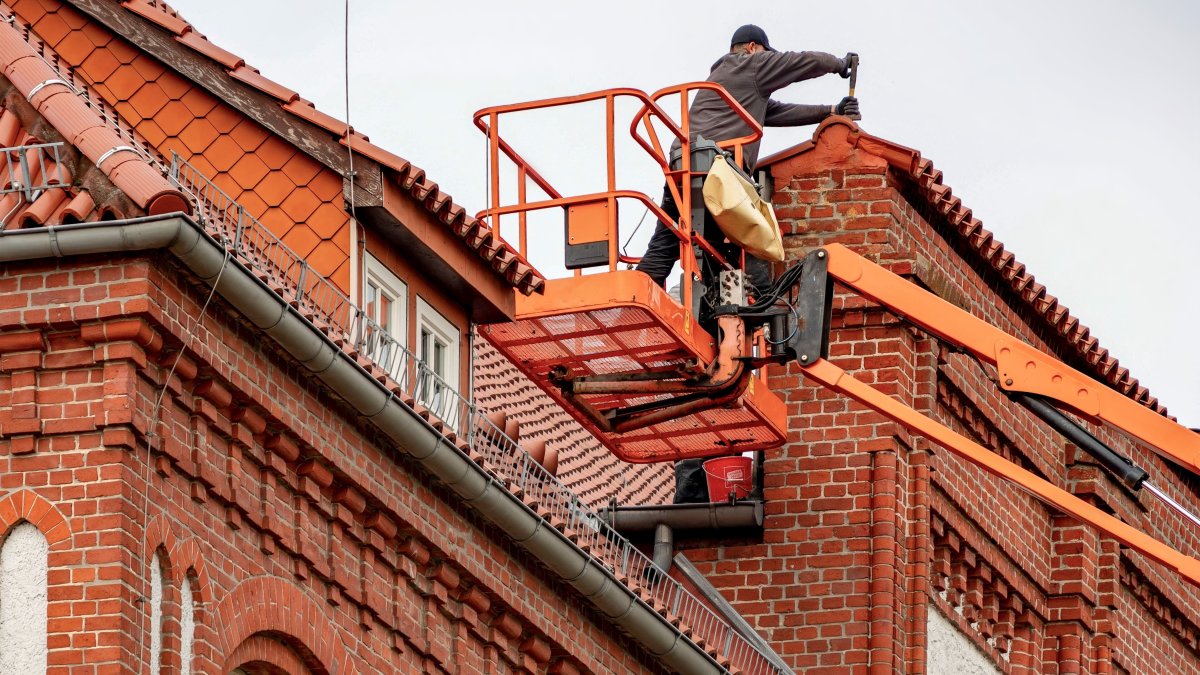
Roof restoration focuses on repairing and extending the life of an existing roof without tearing the entire system off. A roofing contractor may repair leaks, replace damaged shingles, reseal flashing, reinforce membranes, or apply protective coatings to improve durability.
This option works best when the roof is still structurally sound and the damage is limited rather than widespread.
When Roof Restoration Makes Sense
Roof restoration is often the right choice when:
- The roof is under 15 to 20 years old
- Leaks are isolated to small areas
- Storm damage is moderate
- Roofing materials remain in good condition
- The underlying structure is stable
For many commercial roofing systems, restoration coatings can also improve energy efficiency by reflecting heat and reducing indoor cooling demands.
Benefits of Roof Restoration
The biggest advantage is cost savings. Restoration is generally more affordable than full replacement because labor and material requirements are lower.
Other benefits include:
- Faster project completion
- Less disruption to daily operations
- Reduced construction waste
- Extended roof lifespan
- Improved weather resistance
Still, restoration has limitations. It cannot solve major structural problems, hidden moisture damage, or severe deterioration beneath the roofing surface.
What Is Roof Replacement?
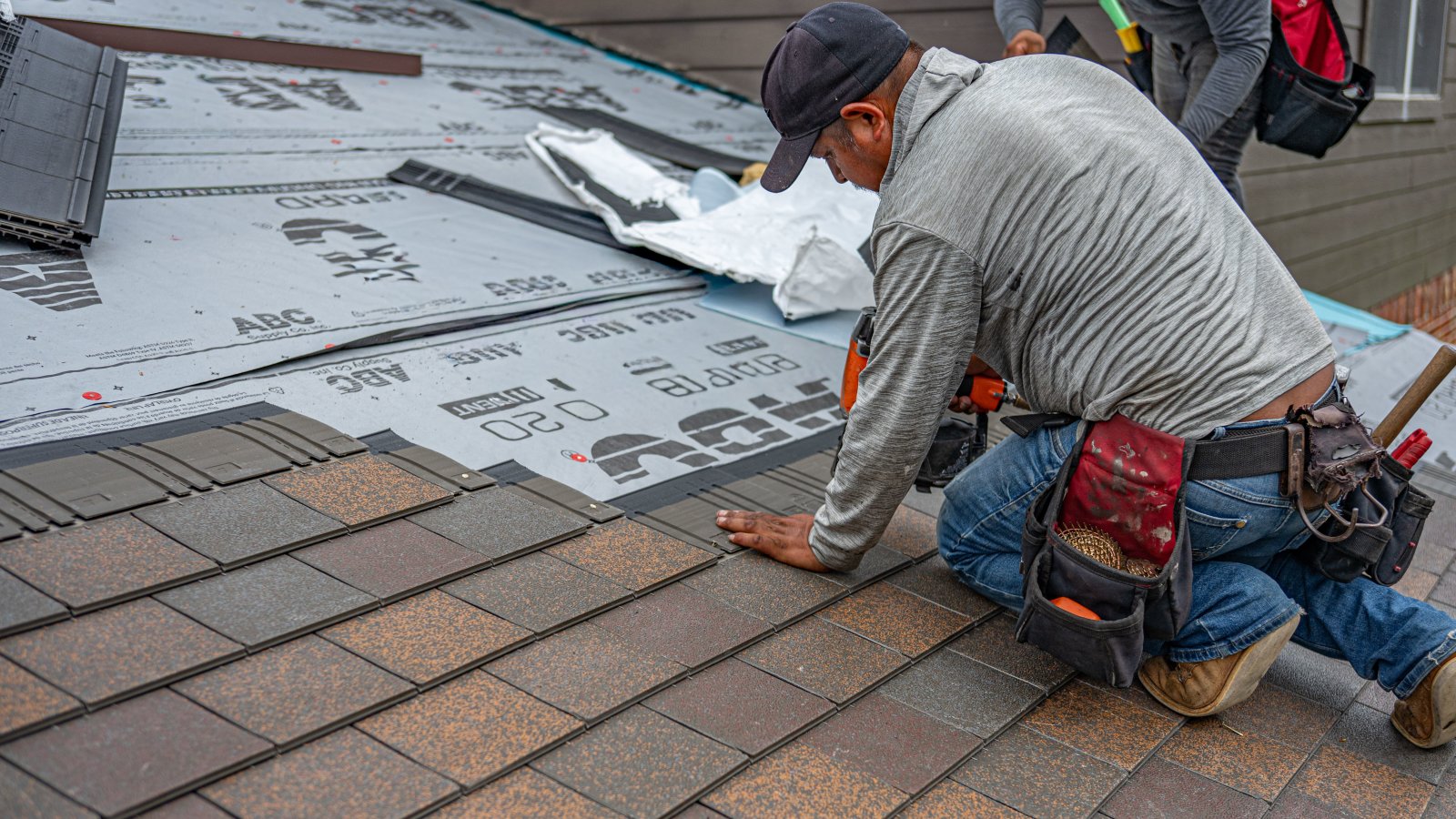
Roof replacement involves removing old roofing materials and installing an entirely new roofing system. This process addresses both visible and hidden damage while providing a fresh foundation for long-term protection.
Roof replacement is usually considered when a roof is no longer reliable. Common reasons include ongoing leaks, storm damage, signs of future failure, or the need to improve the home’s appearance.
Signs You May Need a Full Replacement
Some warning signs should not be ignored:
- Multiple recurring leaks
- Sagging roof sections
- Mold or rot beneath roofing materials
- Significant storm or water damage
- Missing shingles across large areas
- Roof age approaching the end of its lifespan
If a roof continues failing despite repeated repairs, restoration may only delay a larger issue.
Benefits of Roof Replacement
A new roof offers stronger long-term value because it resets the lifespan of the roofing system entirely.
Key advantages include:
- Better insulation and ventilation
- Improved curb appeal
- Increased property value
- Lower future maintenance costs
- Stronger manufacturer warranties
The primary drawback is the higher upfront investment. Replacement roofing cost varies widely depending on materials, roof size, labor cost for roof replacement contractors, and structural repairs.
➤ READ NEXT: How Long Does A Roof Replacement Take?
Roof Restoration vs Roof Replacement: Key Differences
Choosing between restoration and replacement often comes down to four factors: cost, lifespan, installation time, and future performance.
|
Factor |
Roof Restoration |
Roof Replacement |
|
Upfront Cost |
Lower |
Replacement Roofing Cost is Higher |
|
Lifespan Added |
5 to 15 years |
20 to 50+ years |
|
Installation Time |
Faster |
Longer |
|
Property Disruption |
Minimal |
Moderate to High |
|
Structural Repair Capability |
Limited |
Comprehensive |
How to Decide Between Roof Restoration and Roof Replacement
Assess the Roof’s Age
Every roofing material has a lifespan. Asphalt shingles often last around 20 to 30 years, while metal roofing systems can last much longer with proper maintenance. Older roofs nearing the end of their expected life usually benefit more from replacement.
Evaluate the Extent of Damage
Localized damage may only require restoration. Extensive water intrusion, sagging areas, or widespread deterioration typically point toward replacement.
Compare Short-Term and Long-Term Costs
Restoration may save money immediately, but repeated repairs can eventually exceed the cost of installing a new roof. Looking beyond the initial estimate helps property owners make smarter financial decisions.
Consider Energy Efficiency
Modern roofing systems often provide better insulation and ventilation than aging roofs. Reflective materials and coatings used in commercial roofing can also help reduce energy consumption.
Schedule a Roofing Contractor Inspection
A professional inspection remains the most reliable way to determine the right solution. Experienced roofing professionals evaluate decking, moisture intrusion, ventilation, flashing, and structural integrity before making recommendations.
Common Mistakes Property Owners Make
Roofing decisions can become more expensive when property owners wait too long, focus only on price, or hire without checking experience. Avoid these common mistakes:
- Delaying inspection after small leaks: Water damage can spread beneath the roof surface before stains or interior damage appear.
- Choosing the cheapest option: A low-cost repair may only provide temporary relief if the roof has deeper structural issues.
- Ignoring long-term value: Roof restoration may save money upfront, but replacement may be more practical if repairs keep adding up.
- Hiring inexperienced contractors: Qualified roof replacement contractors help ensure proper installation, code compliance, and dependable workmanship.
Frequently Asked Questions
How often should a roof be professionally inspected?
Most roofs should be inspected at least once a year and after major storms. Regular inspections help identify small issues before they turn into costly structural problems. Professional evaluations also help extend the lifespan of roofing materials through early maintenance.
Does the weather affect roofing lifespan?
Extreme weather conditions can significantly shorten the lifespan of a roof. Heavy rain, snow, wind, hail, and prolonged sun exposure gradually weaken roofing materials over time. Proper maintenance and timely repairs help reduce weather-related deterioration.
Is it better to repair a roof before selling a property?
Addressing roofing issues before listing a property can improve buyer confidence and reduce negotiation issues during inspections. A damaged roof may lower property value or delay the sales process. Even minor repairs can improve overall curb appeal and marketability.
How long does a typical roofing project take?
The timeline depends on the size of the property, weather conditions, roofing materials, and the extent of the work. Smaller restoration projects may take only a few days, while full replacements can take longer. Complex commercial roofing systems may also require additional time.
Are roofing warranties important?
Roofing warranties provide added protection for both materials and workmanship. They can help cover repair or replacement costs if certain issues occur within the warranty period. Understanding warranty coverage before starting a roofing project is important for long-term value.
Schedule a Professional Roof Inspection Before Damage Gets Worse
The right roofing decision depends on the condition of the roof, the severity of the damage, and your long-term goals for the property. Roof restoration works well for manageable issues, while full replacement offers better protection for aging or structurally compromised roofs.
Roofing Experts of Hyde Park helps homeowners and businesses make informed roofing decisions with professional inspections, restoration services, and complete roof replacements built for long-term performance.
Protect your property before minor issues become major expenses.