- Free Estimates

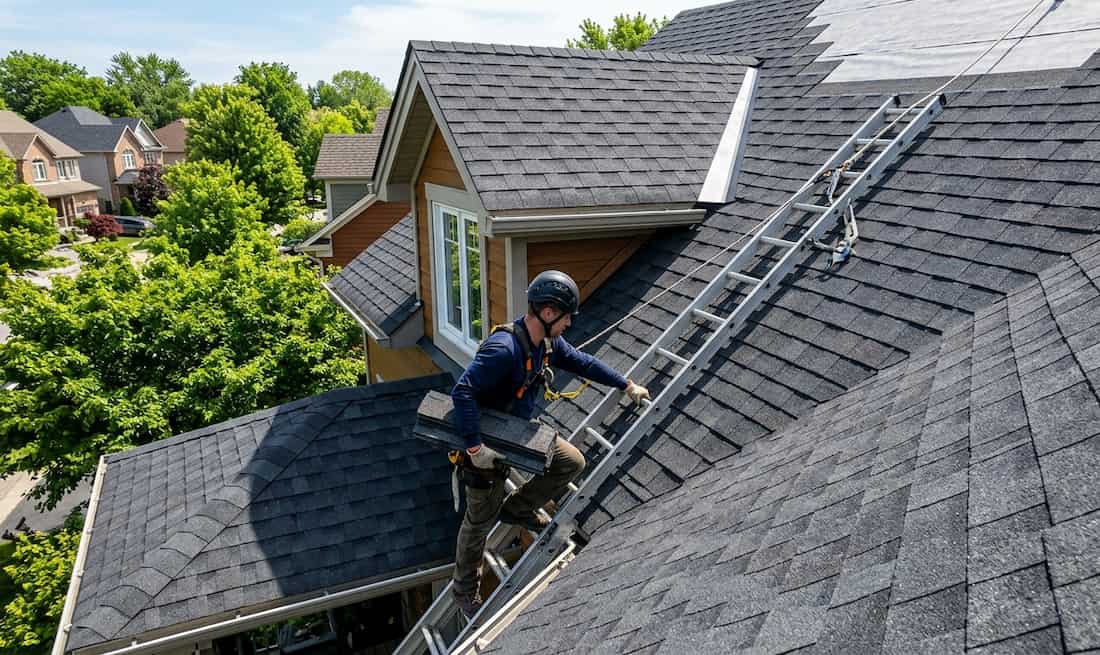
✔ Annual roof inspections help detect small problems before they become major repairs.
✔ Regular maintenance extends the lifespan of roofing materials and improves overall performance.
✔ Warning signs such as missing shingles, water stains, or clogged gutters should never be ignored.
✔ Seasonal checks after winter and before fall help prevent weather-related roof damage.
✔ Professional roof inspections identify hidden issues that homeowners may not see.
Most homeowners only think about their roof when a leak appears. That reactive mindset is expensive. Areas that experience heavy rain and snow, harsh wind, and seasonal temperature swings place constant stress on roofing systems throughout the year. Small issues such as loose shingles, clogged gutters, or damaged flashing can quickly turn into leaks or structural damage if left unnoticed.
The most effective way to avoid these problems is simple: yearly roof maintenance. A consistent inspection routine helps homeowners spot early warning signs, address minor damage, and keep the roof performing as it should. Following an annual maintenance checklist makes it easier to protect the home, extend the life of the roof, and prevent costly repairs down the line.
Your roof protects the entire structure of your home from weather exposure. Over time, rain, snow, sunlight, and temperature changes wear down roofing materials. When small issues go unnoticed, moisture can enter the roof system and damage insulation, wood framing, and ceilings. Routine maintenance helps catch these weak spots early before they affect the structure of the home.
Most roofs are built to last many years, but neglect can shorten that lifespan. Loose shingles, clogged gutters, and damaged flashing can slowly weaken the roof system. Regular inspections allow these issues to be repaired early, helping the roof stay durable and perform as intended.
Small roofing problems are usually simple to fix. When they are ignored, they can lead to leaks and interior damage that require larger repairs. Routine maintenance keeps minor issues from turning into costly structural problems.
Storms can loosen shingles, damage flashing, and create hidden roof issues. These problems may not be visible from the ground right away. Annual inspections help identify storm damage early so repairs can be made before leaks or structural damage develop.
Even between scheduled inspections, homeowners should remain alert for signs that their roof requires attention.
The first indication of roof problems often appears inside the home.
Common warning signs include water stains on ceilings or walls, musty odors in the attic, or visible mold growth. Increased energy bills may also signal roof-related insulation damage or ventilation problems.
Several visible exterior indicators suggest the roof may need maintenance.
These include missing shingles, curling or cracked shingles, sagging rooflines, or damaged flashing around chimneys and vents. Another common indicator is excessive shingle granules accumulating in gutters.
Granules protect asphalt shingles from ultraviolet radiation. When they begin to wear away, the roofing material deteriorates more quickly.
Roof age is another important factor. Roofs that are more than 15 to 20 years old are more likely to develop structural issues and should be inspected regularly.
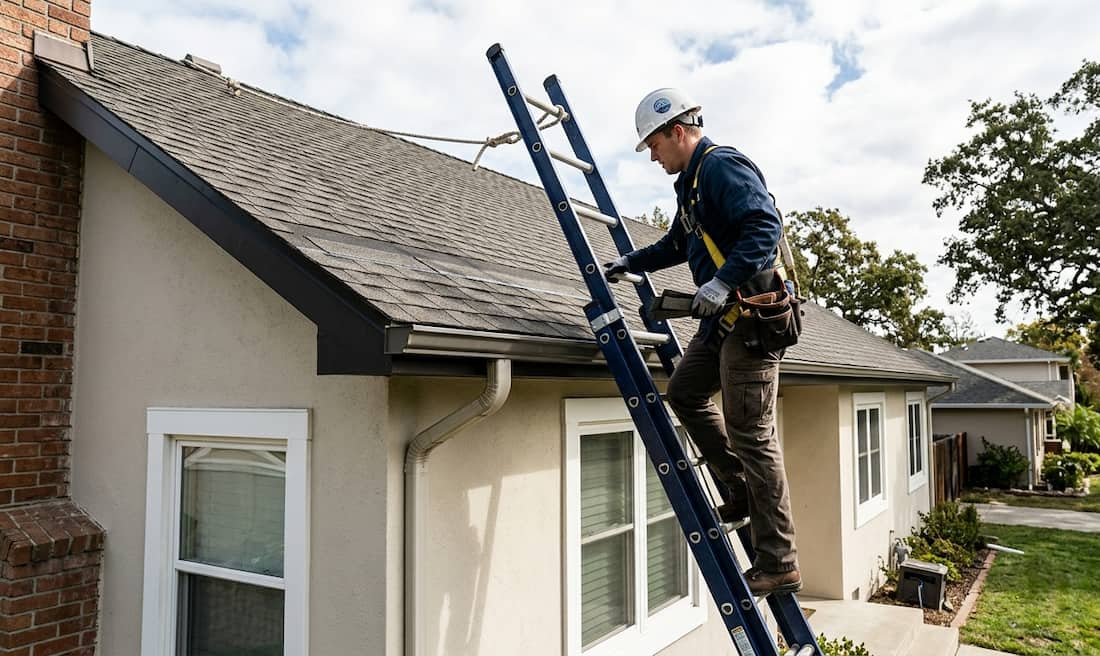
Following a structured maintenance routine each year helps homeowners identify potential problems early.
Begin with a visual inspection of roofing materials from the ground or with proper safety equipment.
Look for cracked shingles, curling edges, missing sections, or discoloration. These issues can expose the roof deck to moisture and accelerate roof deterioration.
Flashing protects areas where the roof meets vertical structures such as chimneys, vents, and skylights. These joints are common entry points for water.
Inspect flashing for rust, separation, or cracked sealant. Damaged flashing should be repaired promptly to prevent leaks.
Gutters play a critical role in directing water away from the roof and foundation. When gutters become clogged with leaves or debris, water can pool along the roof edge.
The U.S. Department of Housing and Urban Development recommends cleaning gutters at least twice each year to prevent water damage and drainage issues.
Attic conditions can reveal roof problems that are not visible from outside.
Look for condensation, damp insulation, mold growth, or daylight shining through roof boards. Proper attic ventilation helps regulate temperature and moisture levels, which reduces the risk of ice dams and roofing material deterioration.
Leaves, twigs, and organic debris often collect on roof surfaces and in valleys. This debris traps moisture against shingles and can encourage moss growth.
Removing debris helps keep the roof surface dry and reduces the risk of water intrusion.
Tree branches that hang over the roof pose multiple risks. They can scrape roofing materials during windy conditions, break and fall during storms, or deposit large amounts of debris on the roof.
Regular trimming prevents unnecessary roof wear and damage.
While homeowners can perform visual inspections, professional roofing contractors can identify structural issues that may not be visible from the ground.
Professional inspections evaluate flashing integrity, roof deck condition, ventilation performance, and potential water intrusion points.
Although the full checklist should be completed annually, seasonal maintenance helps ensure long-term roof performance.
Spring is an ideal time to inspect the roof for winter-related damage. Check for loose shingles, damaged flashing, and clogged gutters caused by melting snow and ice.
Summer heat and ultraviolet radiation can accelerate roofing material wear. Periodically inspect shingles for signs of heat-related cracking or curling.
Fall preparation is important before winter weather arrives. Clear leaves from gutters and roof valleys to ensure proper drainage during heavy rain and snow.
During winter, monitor the roof for ice dams and excessive snow buildup. Ice dams form when melting snow refreezes along roof edges, preventing proper drainage.
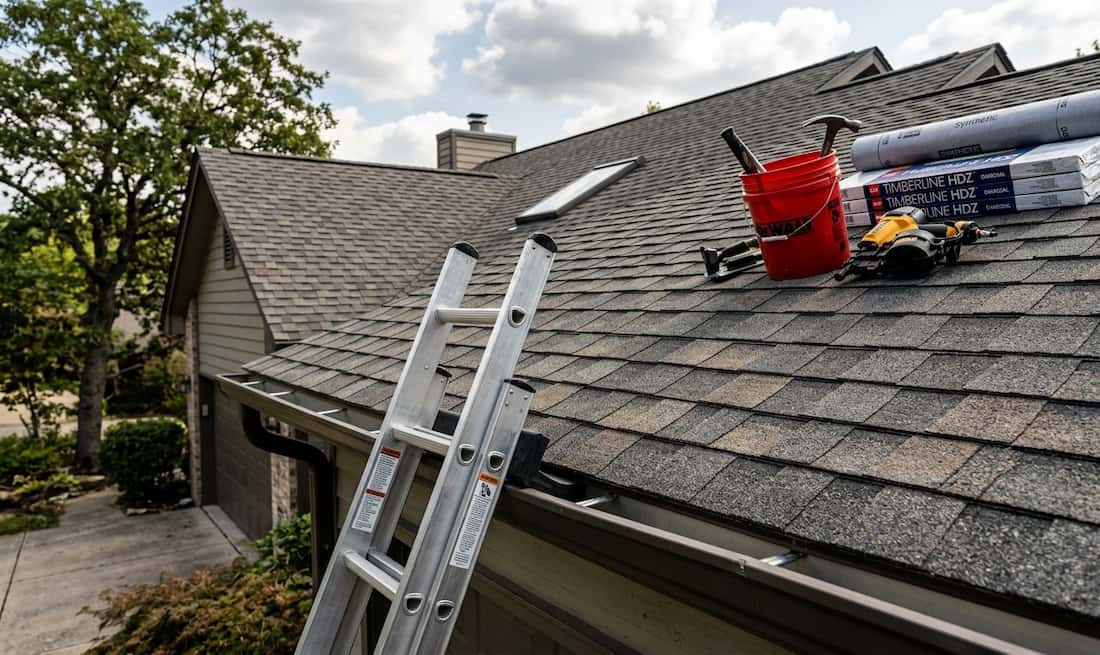
Minor roof problems can escalate quickly. A small leak or damaged shingle can lead to widespread structural damage if ignored.
Pressure washing can strip protective granules from shingles and shorten their lifespan. Gentle cleaning methods are safer for roofing materials.
Roof surfaces are slippery and fragile. Walking on shingles without proper safety equipment can cause damage and increase the risk of injury.
Some roofing issues develop beneath the surface and cannot be seen during a visual inspection. Professional assessments are necessary to detect hidden problems.
Most roofing professionals recommend a full inspection once per year and after major storms. Annual inspections help identify damage early and extend the roof’s lifespan.
Roof lifespan varies by material. Asphalt shingles generally last 20 to 30 years. Metal roofs can last 40 to 70 years. Slate roofing systems may last 75 to 100 years with proper maintenance.
Homeowners can perform basic tasks such as gutter cleaning or visual inspections. Structural repairs and complex inspections should be handled by experienced roofing professionals.
Roof leaks most commonly occur due to damaged flashing, deteriorated shingles, or clogged drainage systems that allow water to pool on the roof.
Yes. Preventative maintenance helps extend the life of roofing materials and reduces the likelihood of expensive structural repairs.
Annual roof maintenance is one of the most effective ways homeowners can protect their property. A consistent inspection routine helps identify small problems before they lead to costly structural damage. Regular maintenance also extends roof lifespan and ensures the roofing system continues to protect the home through changing weather conditions.
Homeowners who want expert inspections, preventative maintenance, or roof repairs can rely on Roofing Experts of Hyde Park for experienced roofing services designed to keep residential roofs durable and weather resistant year-round.
Schedule roof inspection today!