- Free Estimates

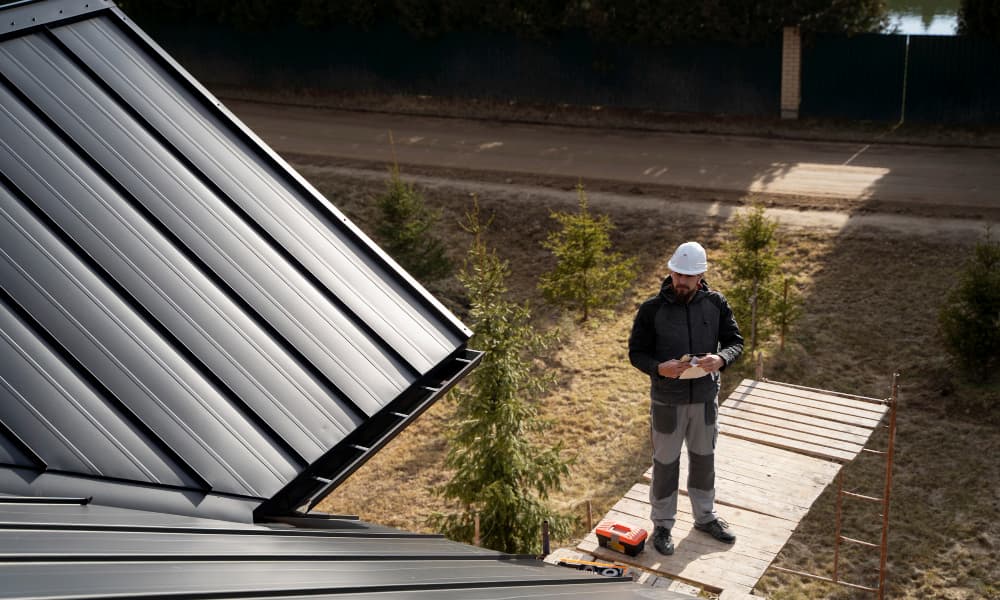
✔ Damaged shingles and flashing failures are the most frequently reported roof defects.
✔ Small leaks often begin at penetrations such as chimneys, skylights, and vents.
✔ Poor ventilation significantly shortens roof lifespan and increases energy costs.
✔ Clogged gutters and organic growth accelerate moisture-related damage.
✔ Routine inspections and timely repairs prevent costly structural issues.
Roofing defects remain one of the most common issues flagged during residential home inspections in the United States.
Roof-related problems consistently rank among the top concerns discovered before a home sale closes. In climates like Hyde Park and the Hudson Valley, where heavy snow, ice dams, wind, and seasonal temperature swings are common, roofing systems face constant stress.
Home inspectors most often find damaged shingles, leaks, flashing failures, ventilation problems, structural sagging, gutter issues, installation errors, organic growth, chimney and skylight defects, and aging roofs near the end of their lifespan.
Understanding these common roofing problems helps homeowners prevent costly repairs, avoid inspection surprises, and extend the life of their roof.
Most homeowners rarely see the full condition of their roof. Minor issues such as lifted shingles or small flashing gaps may not cause immediate leaks. Over time, however, small vulnerabilities allow moisture intrusion that damages decking, insulation, and framing.
New York’s freeze-thaw cycles accelerate deterioration. Snow accumulation followed by melting and refreezing can force water beneath shingles. Strong winds common in open Hudson Valley areas can loosen roofing materials. Without routine professional roof inspections, problems may remain hidden until a home inspector identifies them during a real estate transaction.
Regular evaluations are critical because early-stage roof defects are far less expensive to correct than structural repairs.
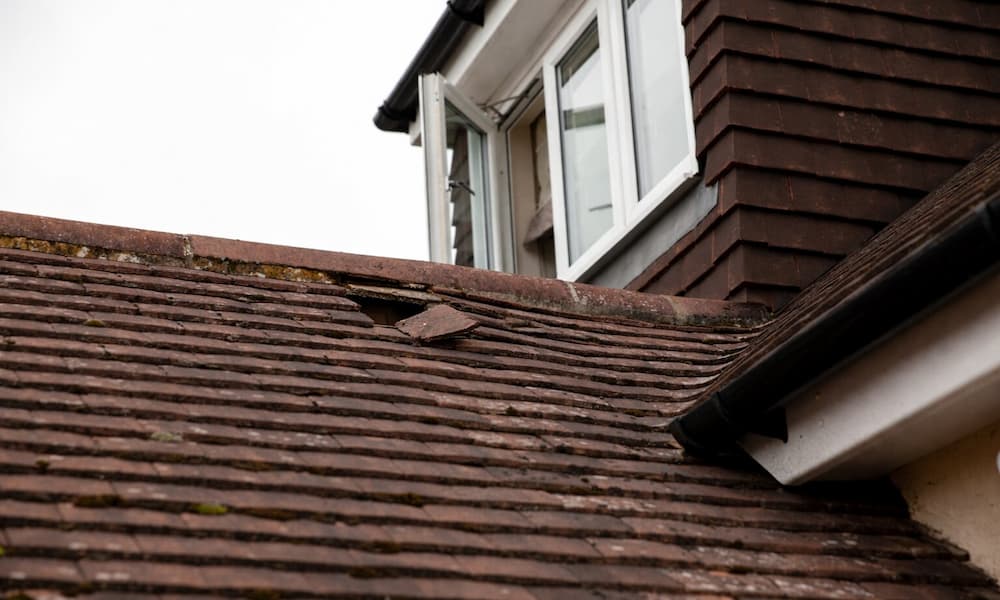
Home inspectors check for cracked, curling, blistering, or missing shingles. They also look for excessive granule loss, which appears as bald spots on asphalt shingles or granules collecting in gutters.
Shingle damage typically results from aging, wind uplift, hail impact, or improper installation. Asphalt shingles naturally degrade under UV exposure over time.
Damaged shingles compromise the roof’s primary water-shedding barrier. Once exposed, underlayment and decking become vulnerable to moisture, leading to rot and interior leaks.
Leaks often develop around chimneys, plumbing vents, skylights, and roof valleys where two roof planes meet.
Inspectors examine attic spaces for water stains, mold growth, damp insulation, and soft decking. The Environmental Protection Agency notes that moisture intrusion is a primary contributor to indoor mold development.
Persistent leaks can damage framing, drywall, and electrical systems. Left unresolved, moisture may compromise structural integrity and air quality.
Flashing is typically made of metal and installed at roof transitions to prevent water penetration.
Inspectors frequently find rusted flashing, loose sections, cracked sealant, or improperly layered materials.
Flashing defects allow water to bypass shingles entirely. Because leaks often occur behind siding or walls, damage may remain hidden for years before becoming visible.
A balanced system includes intake vents at the soffits and exhaust vents near the ridge. Inspectors assess airflow patterns and attic temperatures.
Improper ventilation traps heat and moisture. In winter, this contributes to ice dam formation. In summer, excessive attic heat accelerates shingle deterioration. Poor attic ventilation shortens roofing material lifespan and increases energy costs.
Long-term moisture damage weakens roof decking and framing. Prolonged heavy snow accumulation can place excessive stress on older or previously weakened roof structures.
Uneven rooflines, visible dips, and soft spots when walked on are red flags.
Structural sagging is considered a major defect during home inspections. Repairs may involve decking replacement or structural reinforcement, significantly increasing costs.
Inspectors examine gutters for debris buildup, improper slope, separation from fascia boards, and corrosion.
Clogged gutters prevent proper drainage, forcing water under shingles and along roof edges. This leads to fascia rot and foundation moisture issues. Proper drainage is essential to the overall performance of the roofing system.
Incorrect nail placement, overdriven fasteners, misaligned shingles, and poorly constructed valleys are common findings.
Some roofing systems are installed by unlicensed contractors or inexperienced crews. Manufacturer guidelines for asphalt shingles require specific fastening patterns to meet wind resistance standards.
Installation errors often void manufacturer warranties. Even a relatively new roof can fail prematurely if installed improperly.
Shaded roof areas retain moisture, encouraging moss and algae growth. The humid summers in the Hudson Valley contribute to this issue.
Dark streaks caused by algae and moss growth lifting shingles are common signs.
Black streaking is typically caused by Gloeocapsa magma algae, which feeds on limestone filler in asphalt shingles. Over time, organic growth reduces the roof’s lifespan.
Inspectors often find cracked masonry, deteriorating mortar joints, and failing chimney flashing. Masonry absorbs water, which expands during freezing temperatures and causes cracking.
Failed seals, cracked glazing, and improper curb installation frequently lead to leaks.
Roof penetrations interrupt the continuous roofing surface. Any installation flaw increases the risk of water intrusion.
Standard three-tab asphalt shingles generally last 20 to 25 years. Architectural shingles may last 25 to 40 years, depending on maintenance and climate.
Widespread granule loss, brittle shingles, and recurring repairs indicate a roof nearing replacement.
Mortgage lenders and insurance carriers may require roof replacement if the system shows significant deterioration. Proactive replacement reduces the likelihood of emergency leaks and failed inspections.
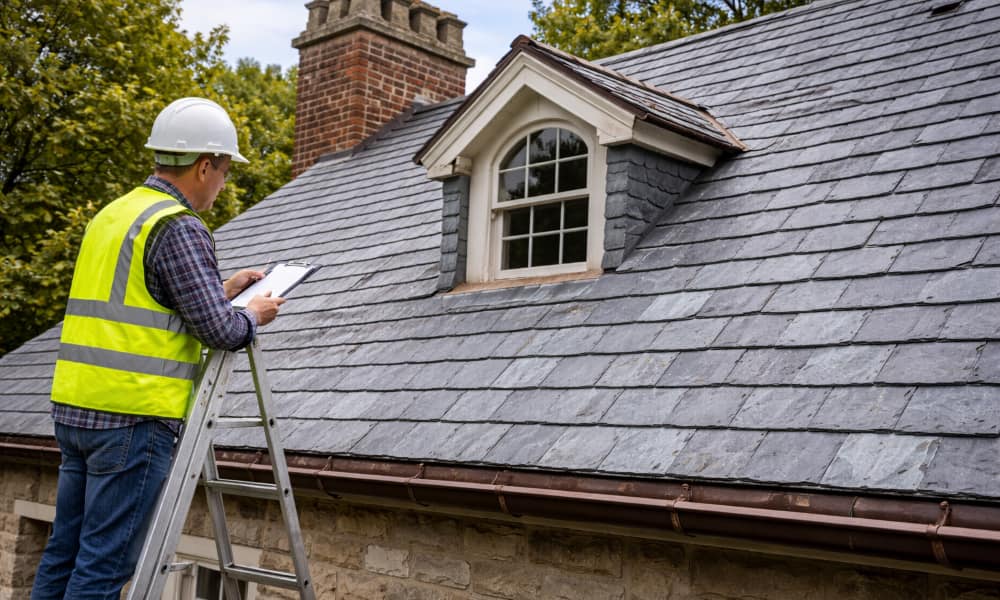
Have your roof inspected every one to two years and after severe storms.
Clean gutters at least twice annually and confirm proper slope and secure attachment.
Check for moisture, condensation, mold, and visible daylight through decking boards.
Replace damaged shingles and repair flashing early to prevent structural damage.
Proper installation and maintenance significantly extend the roof’s lifespan and preserve warranty coverage.
Every one to two years, and after major weather events.
Yes, if the roof remains structurally sound and free of active leaks. Condition matters more than age alone.
Active leaks, structural sagging, widespread shingle failure, and flashing defects are typically classified as major concerns.
Storm damage is often covered. Normal wear and tear usually is not.
Yes. Minor damage often escalates quickly, especially in regions with heavy precipitation and freeze-thaw cycles.
Roofing problems rarely improve with time. Small defects become structural repairs if ignored. Whether you are buying, selling, or maintaining your home, a professional evaluation identifies issues early and protects your investment.
Homeowners in Hyde Park and surrounding communities can rely on Roofing Experts of Hyde Park for thorough roof inspections, repairs, and replacements designed to withstand New York weather conditions.